
Digital Holocaust Memory – Resources and Readings

Over the summer, the Landecker Digital Memory Lab team members are busy taking well-deserved breaks. Whilst our blog goes on hiatus, here are some suggested reads from our back catalogue which might help inspire or inform your autumn teaching, research and practice. The remit of the Landecker Digital Memory Lab is broad – we conceptualise ‘the digital’ as socio-technical and thus connective, and as an entanglement of human and computational actancies. But what does this mean in practice? Firstly, it means our research covers a range of different digital media, this includes computer games. Last year we hosted an international junior research associate, Austin Xie, from the University of Chicago who thought through the challenges of navigating Holocaust memory in computer games shared in two blogs on our site, part I and part II. We also launched recommendations for using VR, XR and computer games. We captured more on these topics in our blog archive, check out pieces on Playing Memories,  Reading Call of Duty, and student ideas for Holocaust computer games. The first series of our new Digital Memory Dialogues also focuses on this topic asking to what extent can the Holocaust be made playable in computer games? This [...]

By |2025-08-28T13:23:52+01:0014 August 2025|

Indexing the World’s Digital Holocaust Projects: the Historian’s View

by Alex Sessa In 2025, the Landecker Digital Memory Lab will launch the world’s first ‘living database-archive': a perpetual, searchable resource of the world’s digital Holocaust education and commemoration initiatives. As we embark on this monumental project, read about the linguistic and ethical challenges this task brings from the view of our historian-indexer. We live in an age in which the Holocaust is quickly receding from living memory. At a time when the youngest survivors are in their eighties and nineties, lived experience of this past is quickly disappearing. Heritage organisations are, therefore, exploring digital technologies as a means of making Holocaust memory accessible. Here at the Landecker Digital Memory Lab, we have created digital walkthroughs of emerging digital projects at Holocaust sites across Europe, the US and Australia (to date). The purpose of these projects is to enhance understanding of developing trends in Holocaust memory culture to learn and to commemorate. The purpose of our living database-archive is to help professionals working in Holocaust memory and education organisations, and their creative partners learn from existing practice, and to help academics easily access the global range of projects. Our digital recordings offer a guide, or a blueprint for digital projects [...]
By |2024-11-15T08:25:27+00:0014 November 2024|

Three Phases of Digital Holocaust Memory Development

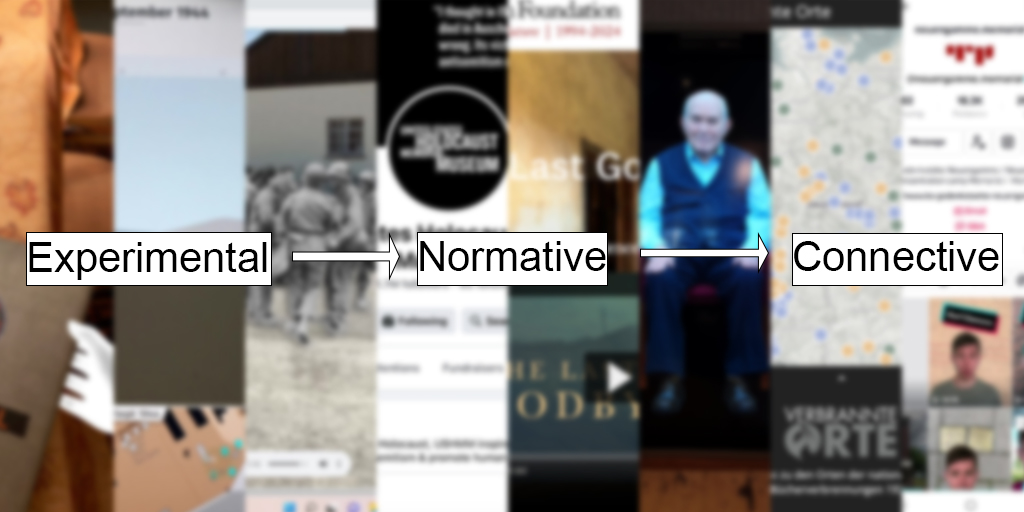
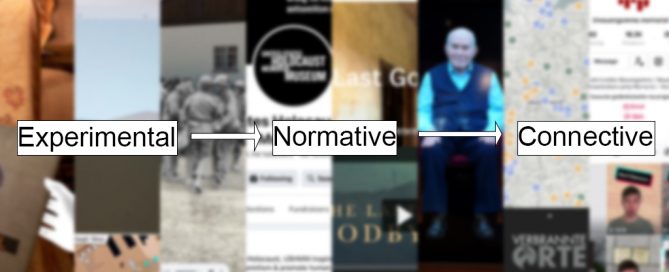
By Professor Victoria Grace Richardson-Walden Through artificial intelligence, machine learning, crowdsourcing, digitisation, VR, AR and computer games, we take you on a tour of some of the world’s most prolific digital Holocaust memory initiatives by way of the theory of the ‘three stages’ of development. To argue that there are three phases of digital Holocaust memory development is not to suggest a clear and simple historical chronology from the 1990s – when digital technologies were first introduced into this arena – to now. Rather, this proposition offers a framework for mapping the different types of approaches organisations take when adopting digital media for the sake of Holocaust memory. These three phases are: the experimental, the normative, and the connective, and they define the different relationships organisations have with digital technology and cultures through their work. Let’s take a closer look at each of them. Experimental Phase This phase acknowledges periods of enthusiasm for a new medium, often led by a ‘what if?’ curiosity among a handful of digital advocates or a desire to shake up the status quo. During this phase, creators are explorative and playful with a medium’s possibilities, they’re not afraid to take risks and can be inquisitive [...]

By |2024-11-11T14:29:45+00:0023 October 2024|

Holocaust Commemoration: Between Digital and Physical Spaces – An Online Discussion

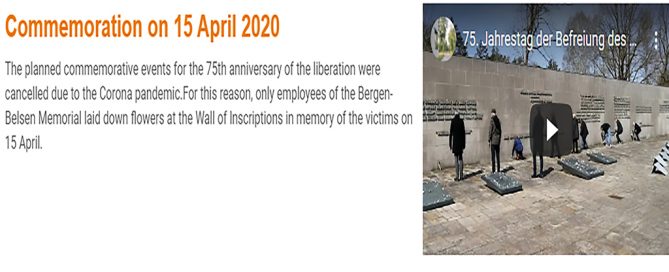
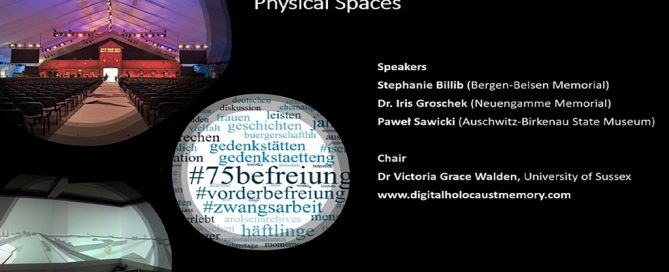
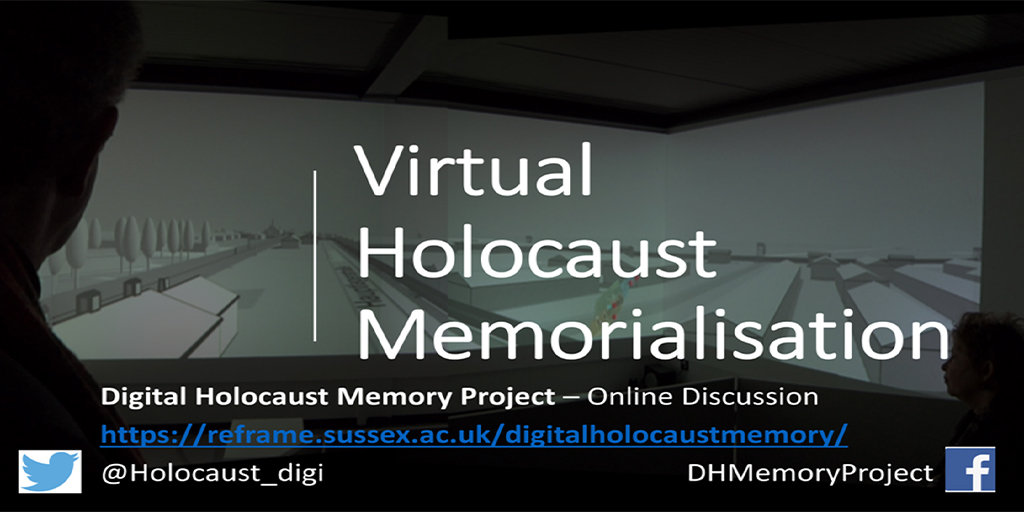
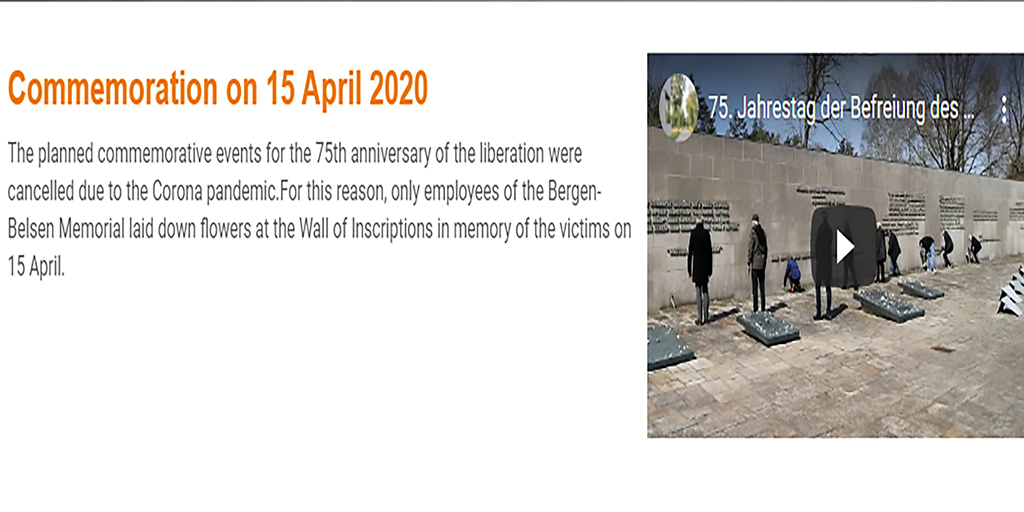
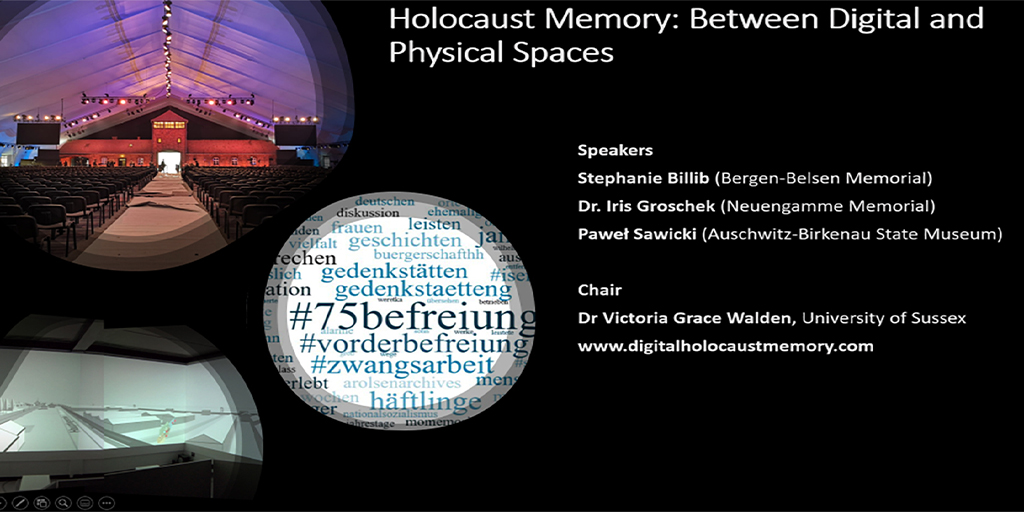
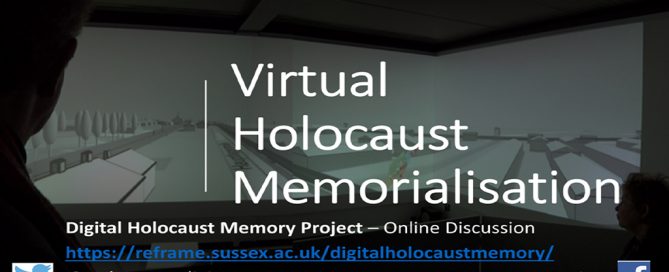
On Thursday, September 24th 2020, speakers from Auschwitz-Birkenau State Museum, Bergen-Belsen and Neuengamme Memorials contributed to an online discussion about the relationship between digital and physical spaces for Holocaust commemoration.

By |2024-11-28T11:23:08+00:0024 September 2020|
Go to Top