
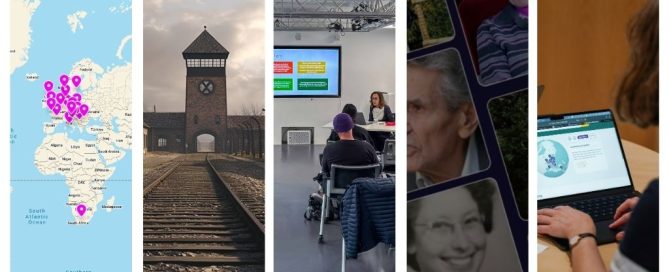
Behind the Scenes at the Lab

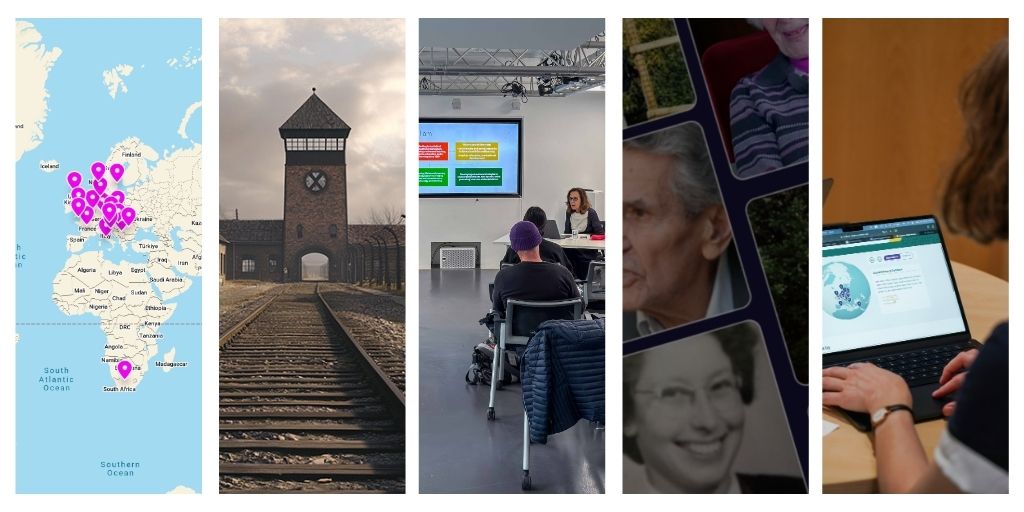
This quarter, we’ve launched a global survey of digital Holocaust memory, continue work on our database, published on AI and Collective Memory, developed digital humanities skills, hosted a Holocaust Education visiting fellow, continued working on our digital memory database, and much more. Take a look at what the Lab has achieved over the last few months. Since the Summer, the team’s main focus has been on the development of the Digital Memory Database following its beta launch at our inaugural Connective Holocaust Commemoration Expo 2025. The resource aims to be a ‘living’ collection of global digital Holocaust memory practice from the 1990s into the future containing curatorial and collaborative tools. Database test session. Credit: Dr. Ben Pelling. In close collaboration with Research Software Engineer, James Alvarez and the design team at Chimney, the development of this flagship resource has been based on rigorous user testing sessions led by the Lab’s Research team. Work on the database has included: Writing methodologies Developing materials to guide users Transcription checking Indexing Software development Design Functionality testing (as well as user-testing) Quality assurance checks Preparation of digital assets September In September, when the BBC ran an article about spammers profiting from AI [...]
By |2025-11-27T23:16:15+00:0027 November 2025|

The View From: Visiting Researchers, Part 2

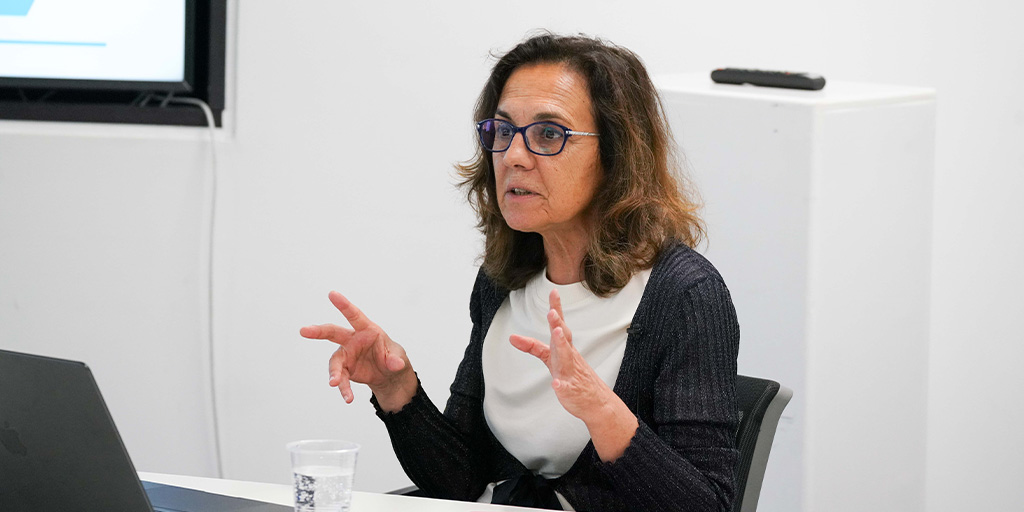
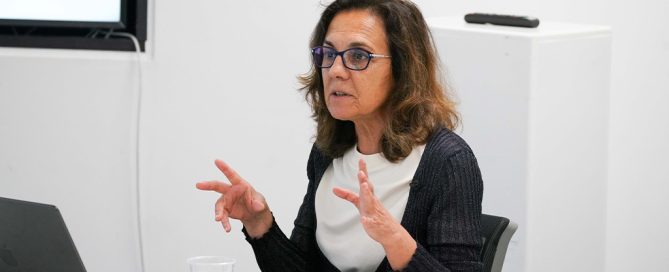
Earlier this term, The Landecker Digital Memory Lab welcomed visiting researcher Dr Stefania Manca from the Institute of Educational Technology of the Italian National Research Council who specialises in digital Holocaust education. Find out about the productive knowledge exchange that took place. by Prof. Victoria Grace Richardson-Walden, in conversation with Dr Stefania Manca Prof. Victoria Grace Richardson-Walden: Stefania, what did you do during your time with us at the University of Sussex? Dr Stefania Manca: During my three-week stay at the University of Sussex, I had the opportunity to engage with members of the Landecker Digital Memory Lab and the Media, Arts and Humanities Research Institute. I took part in both organised research meetings and informal gatherings, which provided valuable insights into the cutting-edge work being undertaken at the Landecker Digital Memory Lab. I also had the chance to interact with several doctoral students and to appreciate how research on digital technology and memory is progressing in fascinating and innovative ways. In addition, I attended a joint meeting between researchers from the Landecker Digital Memory Lab and the Centre for Holocaust Education at the University of London. This was an excellent occasion to reflect on the potential collaboration required between [...]

By |2025-11-13T16:06:07+00:0013 November 2025|

Researching Holocaust Education and Activism on Social Media

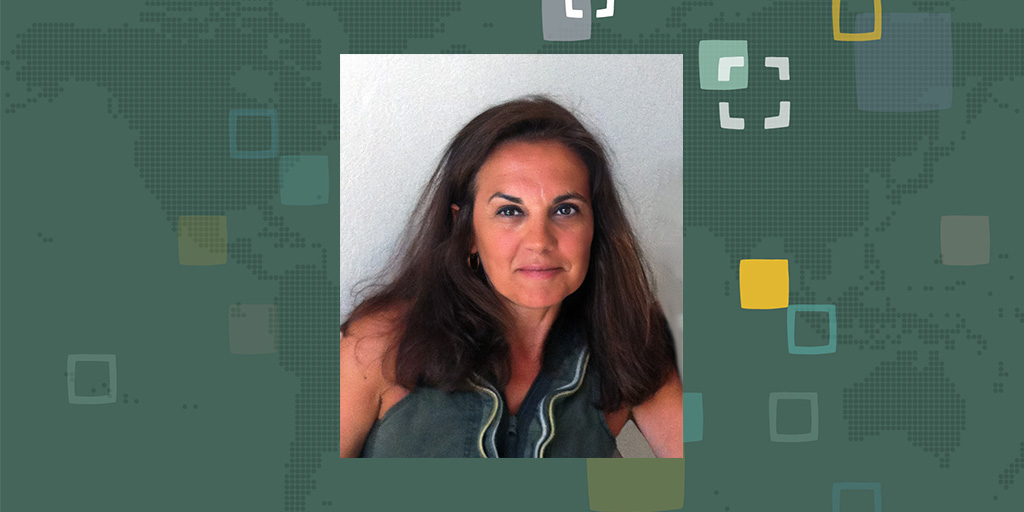
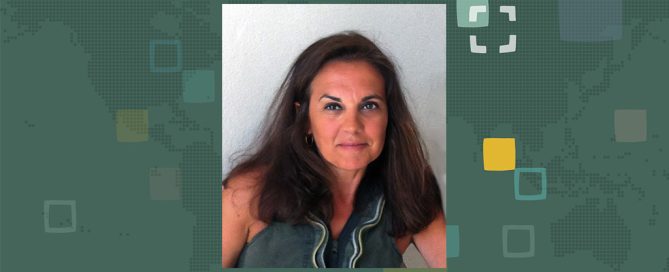
by Dr Stefania Manca How is Holocaust memory being reshaped in the age of TikTok, Instagram, and digital activism? Drawing on her journey from educational technology to digital Holocaust memory and education, our latest visiting fellow explores how social media can both distort and revitalise the memory of the Holocaust. I have been a researcher in educational technology for almost 30 years, focusing on the opportunities and challenges of using digital tools in education. My background in education sciences has helped me develop methods and strategies to integrate digital practices into teaching and learning. In 2018–2019, I decided to connect this professional expertise with my long-standing personal interest in the Holocaust. This step marked the beginning of my engagement with Holocaust memory and education through a digital lens. I started a Doctoral programme in Education and ICT (e-learning) at the Universitat Oberta de Catalunya in Spain, with a project entitled “Teaching and learning about the Holocaust on social media: A learning ecology perspective.” Since 2011, I had already been studying the use of social media in education, so it felt natural to bring these two fields together. At the time, research in this area was still scarce, as highlighted in [...]

By |2025-09-11T11:48:51+01:0011 September 2025|
Go to Top